Art Blog 203

5 hours ago
3 min read
Kabuki Theatre, Izumo no Okuni and the Ichikawa Danjūrō family
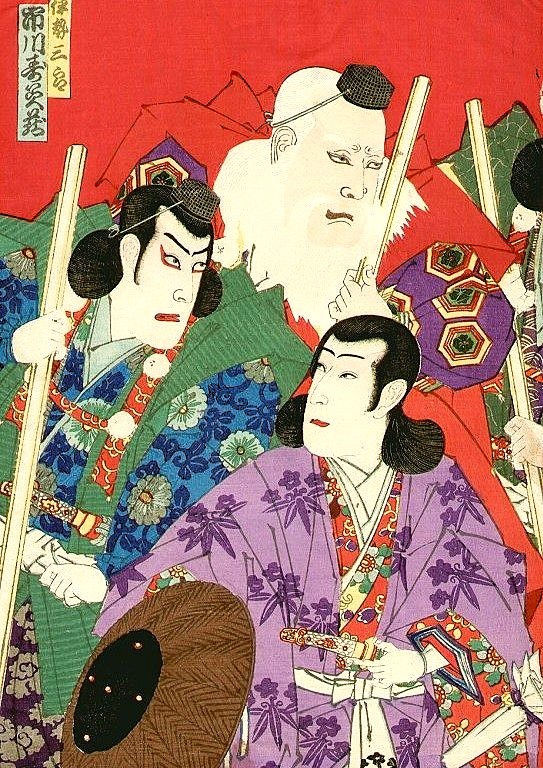
Kabuki Theatre
Kabuki is a traditional Japanese theatre form that combines dramatic acting with traditional dance. Renowned for its highly stylised performances, Kabuki theatre features glamorous, intricately decorated costumes and the elaborate kumadori make-up worn by some performers.
Kabuki is believed to have begun in the early Edo period, when its founder, Izumo no Okuni, established a female dance troupe that showcased dances and light sketches in Kyoto.

Izumo no Okuni was a Japanese entertainer and miko (shrine maiden) credited with creating the theatrical art form known as kabuki. She is believed to have started showcasing her innovative kabuki style ('by kanji spelling, the art of singing and dancing') in the dry riverbed of the Kamo River in Kyoto. Okuni's troupe rapidly became highly popular, recognized for its performers, who were frequently lower-class women that Okuni recruited for her all-female theatre company.
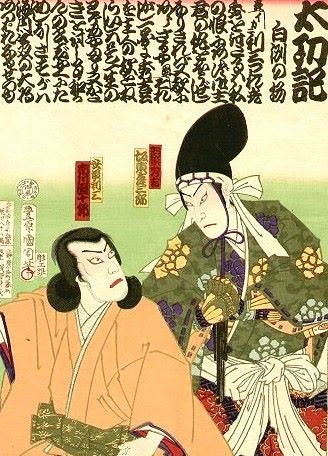
The Danjūrō family
Ichikawa Danjūrō is a stage name used by a succession of Kabuki actors from the Ichikawa family. Many of these actors were blood relatives, although some were adopted into the family. This name is renowned and prestigious, and receiving it is considered an honor. The Danjūrō lineage is known for specializing in certain roles, as well as a collection of plays, the Kabuki Jūhachiban, which highlight the Ichikawa family's specialties.

Danjūrō selected lineage
Ichikawa Danjūrō I (May 1675 – February 1704) – Also known as Mimasuya Hyōgo in his role as a playwright, he was initially called Ichikawa Ebizō I before adopting the name Danjūrō. He was the originator of the aragoto style.
Ichikawa Danjūrō II (July 1704 – November 1735) – The eldest son of Danjūrō I; he was formerly known as Ichikawa Ebizō II and Ichikawa Kuzō.
Ichikawa Danjūrō XII (April 1985 – February 2013) – Eldest son of Danjūrō XI. Previously known as Ichikawa Shinnosuke VI and Ichikawa Ebizō X.
Ichikawa Danjūrō XIII (October 2022 – current) – Takatoshi Horikoshi, son of Danjūrō XII. Previously known as Ebizō XI.

Folklore tales frequently covered by Kabuki include:
The Heron Maiden
The Magical Helmet
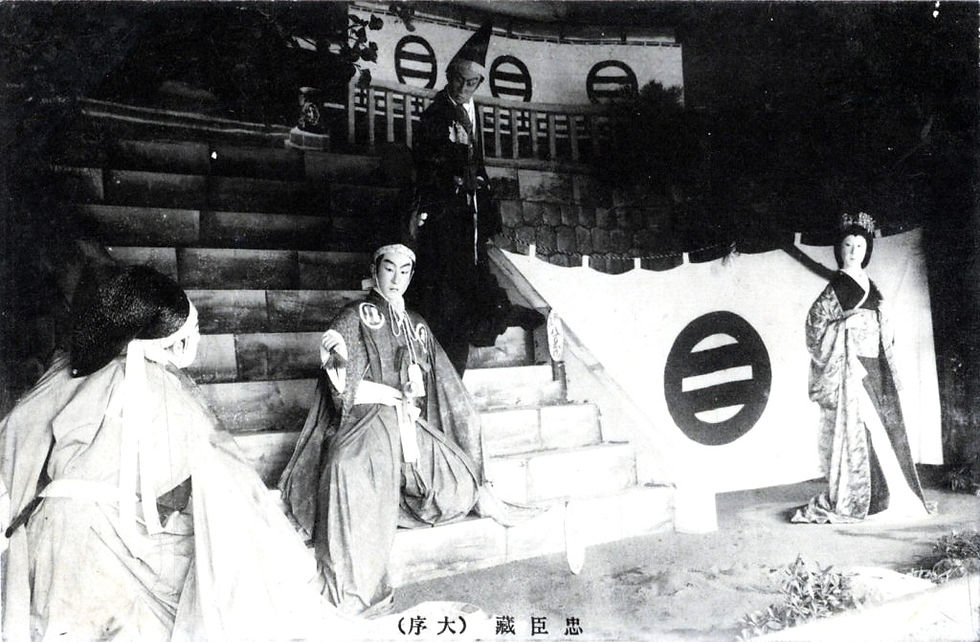
Kanadehon Chūshingura” - The 47 Ronin - The Treasury of Loyal Retainers


Comments