Art Blog #117

Jan 30
4 min read
Will AI have a negative or positive affect on the world of art?

In this blog, we’re exploring one of the most exciting questions in the art world today: how AI is reshaping the way traditional art is created. AI is already transforming everyday life for billions of people—just look at how tools like ChatGPT are assisting with everything from letters and blog posts to résumés and academic work.
Now, we’re seeing the same momentum in the studio. Exceptionally skilled AI artists are emerging, sparking a fascinating debate: Is AI-generated work “real” art—and could it be the next natural step in the evolution of creative expression?
I would like to know your views on this thought-provoking question, 'How will AI art affect the art movement, in a positive or negative way?'

So the first step to ask Google 'will significantly affect art' and this was her answers:
AI is significantly affecting art in various ways:
Creative Process:
AI technologies are challenging traditional notions of artistic creation, allowing non-artists to produce art and raising questions about the essence of creativity.
Accessibility:
AI makes art creation more accessible, enabling a broader range of people to engage in artistic expression.
Opportunities and Challenges:
While AI presents new opportunities for artists to explore innovative techniques, it also poses challenges, such as economic concerns for those in creative professions.
Philosophical Implications:
The rise of AI-generated art provokes philosophical debates about the nature of art and the role of human creativity.
Impact on Artists:
Artists are navigating a landscape where AI can both complement and compete with their work, leading to a re-evaluation of their roles in the creative process.
These factors illustrate the complex relationship between AI and the art world, highlighting both the transformative potential and the challenges it brings.

The positive sides of AI in the art world include:
Democratising creative expression
AI opens the studio doors to everyone, helping more people bring their artistic visions to life—no formal training required.
AI can generate visual directions in moments, allowing artists to experiment, refine, and evolve ideas faster than ever.
Unlocking the “impossible”
By blending unexpected styles, motifs, and concepts, AI can reveal fresh, unconventional combinations that might never surface through traditional methods alone.
Elevating existing artwork
From subtle enhancements to bold stylistic transformations, AI tools can refresh, reimagine, and refine artworks, giving existing pieces a dynamic new presence.
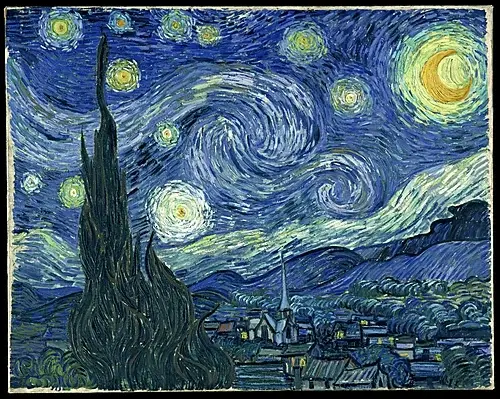
For thousands of years, artists have captured our imagination and shaped our culture. From painters and poets to carpenters, musicians, orators, actors, writers, and sculptors, their creations continue to move us today. We admire artists for many reasons, including:
Bold Vision and Originality:
Exceptional artists dare to see the world differently. They introduce fresh ideas, daring techniques, and distinctive styles that reshape how we experience and understand art.
Technical Mastery:
Behind every captivating piece lies a deep command of materials and methods. This mastery allows artists to execute their vision with both precision and imagination, bringing each detail vividly to life.
Cultural Resonance:
Artists don’t just reflect their times—they help define them. Through their work, they respond to pivotal moments, spark conversations, and leave a lasting imprint on culture and society.
Personal Narrative:
We’re drawn to the stories behind the art. An artist’s unique journey, personality, and perspective create a powerful emotional bridge that invites us into their world.
Emotional Impact:
Art has the power to move us—whether it’s joy, curiosity, nostalgia, or introspection. This emotional connection is what makes experiencing art so memorable and meaningful.
Together, these qualities deepen our appreciation for artists across every medium and make exploring their work an inspiring, enriching experience.

Paul writes:
'As a lifelong admirer of both cutting-edge technology and the arts, I’m genuinely excited by what the future holds. I can easily imagine breath-taking new works born from powerful, imaginative technologies—yet I also find myself wondering how this will shape the wider world of art and the role of so-called traditional artists.
Call me sentimental, but I’m hopeful. I believe we’ll see a renewed appreciation for traditional arts and crafts, as society rediscovers its nostalgia and deep admiration for those who can create beauty through skill, imagination, and creativity in a truly hands-on way.
For tens of thousands of years, humans have been making art—patiently refining their tools, techniques, and styles, and sharpening their senses, especially touch and sight, to expand the limits of taste, imagination, and creativity.
Art, at its heart, is an organic process: a spark of the human spirit where the conscious, the unconscious, and the physical world come together to produce work that can provoke thought, stir awe, and even shock us. I would love to see more people roll up their sleeves and engage directly—moulding, sculpting, painting, and drawing with their own hands.
Humans have always possessed a remarkable flair for ingenuity, and the act of creating art has magnified that gift throughout history. Artists across the ages have experimented fearlessly, embracing a vast array of materials and media to bring their visions to life. From sweeping abstract compositions and dreamy impressionist scenes to evocative landscapes, intimate portraits, surreal dreamscapes, and bold visionary pieces, creativity has never been confined to a single style.
Traditionally, artists have worked with chalk, oils, pencil, graphite, watercolours, paper, and pastels—tools that remain beloved classics in studios around the world. Yet as time has moved on, so too has the spirit of innovation. Today’s creators are just as likely to reach for typewriters, fire, tea, or even dominos as their medium, transforming everyday objects into extraordinary works of art. Alongside these inventive materials, contemporary movements like street art and tattoo art have emerged, bringing gallery-worthy expression into public spaces and onto the skin, and proving that the canvas for creativity is truly limitless.
There will absolutely be a place for AI-generated art in the years ahead, but I remain optimistic that traditional methods of creating art will continue to thrive, retaining their vital and irreplaceable place in our cultural landscape.'


Comments