Art Blog #190

Sep 4
4 min read
'Death? Why does it frighten and bother us so?'
By Paul Connor

I've discovered that discussing death can be quite challenging, particularly in the West where it's nearly a taboo topic. I hope this blog doesn't offend or upset anyone, as that is not my intention. However, it's still a subject that requires research and discussion.
First, I want to take this opportunity to express my condolences to those who have been left behind, those who have lost loved ones and are dealing with daily challenges because of that loss.
Those who constantly ask 'Why?' and struggle to understand or come to terms with it.
And to those who, though unaware, will lose loved ones today, tomorrow, or soon...
I'm uncertain if there's a way to cope with the death of someone close, as each person's grief journey is as individual and unique as their life journey...
I suppose everyone must find their own way to find comfort in discomfort.
My research in philosophy has taken me across Asia, immersing me in the rich and diverse traditions of Buddhism, Daoism, and Shintoism. Each of these spiritual paths offers unique insights into the nature of existence, the impermanence of life, and the profound mysteries surrounding death.
However, despite the extensive knowledge I have gathered, I find myself at a loss when it comes to offering concrete advice to anyone who is grappling with losing a family member or a close friend. The journey of navigating grief is deeply personal and often overwhelming.
In my quest for understanding and coping with the inevitability of death, I have turned to the teachings encapsulated in the 'Tibetan Book of the Dead,' which is formally known as 'Natural Liberation upon Hearing in the Between.' This ancient text serves not only as a guide for the dying but also as a profound resource for the living, offering insights into the nature of consciousness and the transitions that occur during the process of dying.
The version that resonates with me the most, both for its clarity and depth, is the translation and commentary by Professor Robert Thurman. His work provides a contemporary lens through which to engage with these ancient teachings, making them accessible and applicable to modern readers. Robert Thurman’s interpretations shed light on the various stages of the dying process and the significance of mindfulness and awareness during these critical moments. His insights encourage a compassionate approach to death, framing it not merely as an end but as a transition that can lead to liberation and new beginnings.
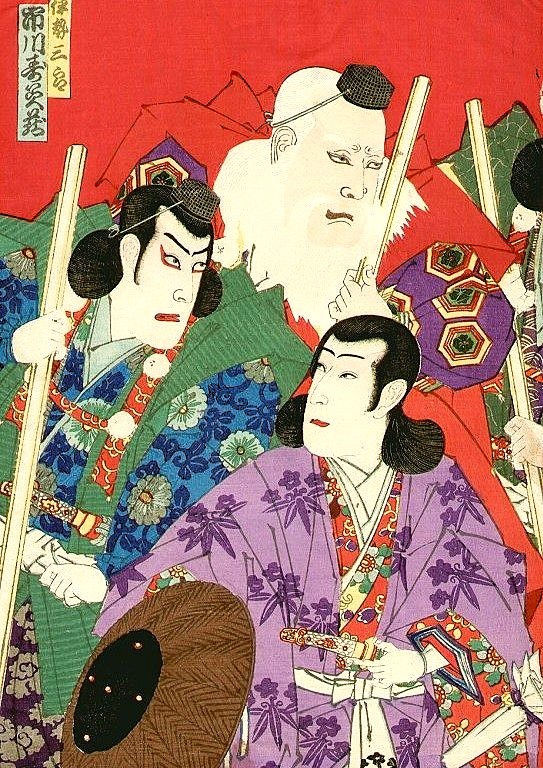
I have also found comfort in art.
Artist's creatively express the emotions tied to death, loss, and life through various forms and expressions, ranging from practical elements to the transfer of consciousness and theories about the afterlife.
Numerous theories exist about what happens after death, serving as valuable discussion points that help initiate and sustain the conversation about the inevitability we all face as a species.

I also write poetry, not to trivialise death but more to confront it head on and accept it as a natural part of life and the poetry illustrates how individuals around me have spoken about or of death and it's
There are days within the year, such as Halloween, The Day of the Dead, Xmas, New Year, birthdays, anniversaries of passing, family get-togethers which trigger sad and happy memories, but grief can strike at any time on any day.
‘People close to you die, it is a sad part of life‘,
‘At least she’s not suffering now and is free from struggle and strife’.
‘They’re no longer here and in a much better place’,
‘Try not to remember the pain but a smile on her face’.
'Its ‘All Hallows day’ and a chance to look back and review'.
'To remember those that have passed that are and have been important to you'.
'Be comfortable in the uncomfortability of not having loved ones around''
'Missing their laughter, their smile, their smell and their
sound'.

'Remember, When death is upon us, it is quite natural to mourn',
'But, remember, for every passing, a loved one is born'.
'His/her body may have appeared broken, but his heart would surely soar',
'With the journeys to his bedside, you could not have done more'.
'Remember, sometime in the future, when you least expect.
'Her spirit will return to great effect'.
'A look from a child or a scent on the breeze',
'A gentle reminder of her, that will put your heart at ease'.
'Remember the memories that her life gives',
'And through these memories her spirit lives'.
'Celebrate a life, which should put a smile on your face',
'When you can believe she has made it to a much better place'.

These are wise words, unless your grief is so overwhelming that it hinders your ability to function. If that's the case, there are a few possibilities:
'Drink yourself into a stupor, so at least you forget'
'Immerse yourself in work so as not to confront regret'
'Talk it through with a professional to confront personal fears'
'Take refuge in sex, drugs and rock n roll to mask hurt and tears'
'Embrace life and become joyous in the chance you’ve been given'
'Set up a Facebook page in memory of the dead for the benefit of the living'
'Trawl through spiritual manuscripts for comfort and true meaning'
'Create an ‘In loving memory mash up’ for people with a poetic leaning'.



Comments