Art Blog #140

May 19
3 min read
Portraiture and Contemporary Art - Meaning and quick history!

Portraiture is the art of crafting representations of individuals that capture their likeness, identity, and character.
Portraiture involves the creation of portraits, which are artistic representations of people or groups, typically emphasising the face and upper body, although full-body portraits are also prevalent. The individual portrayed is known as the sitter, and the artist is often called a portraitist. Portraits strive to convey not just physical appearance but also elements of the sitter’s personality, social status, or emotional state.

Portraiture ranks among the oldest art forms, with instances tracing back to ancient Egypt, where mummy portraits preserved the likenesses of the deceased, and ancient Rome, known for its sculptural busts and death masks. In the Renaissance, portraiture gained prominence in Europe, showcasing humanist ideals and focusing on individuality. The 19th-century invention of photography broadened the scope of portraiture, enabling artists to delve into psychological depth and depict a more diverse array of subjects.

Throughout history, portraits have fulfilled various roles:
Honouring leaders, pioneers, or distinguished individuals.
1
Displaying wealth, authority, or virtue.
Unveiling the sitter’s identity, emotions, or societal role.
Providing artists the opportunity to experiment with style, medium, and interpretation.
Portraiture can be created through painting, drawing, sculpture, photography, or digital media, and modern artists continue to push its limits, delving into conceptual and cultural aspects.

Variations:
Self-portraits: Created by the artist depicting themselves.
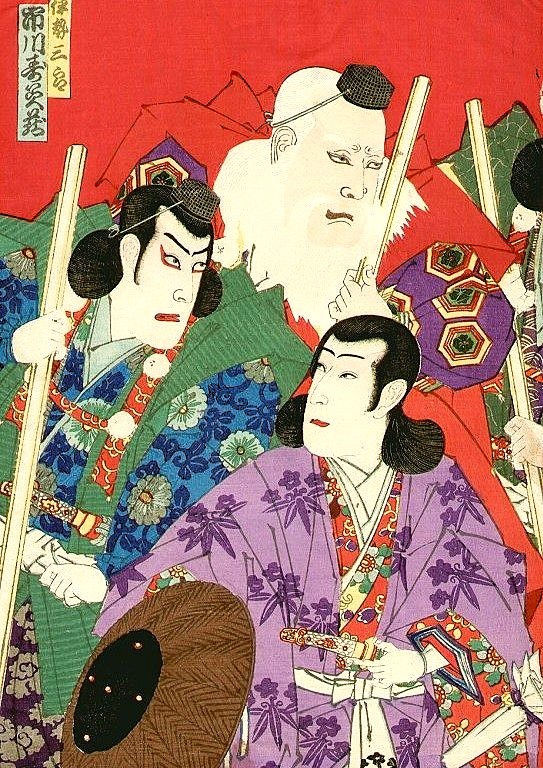
Group portraits: Depicting multiple individuals together.
Cultural variations: For example, Aboriginal Australian portraiture emphasizes identity in relation to community, land, and ancestry rather than physical likeness.
In essence, portraiture is not just about replicating appearances; it is a means of storytelling, cultural expression, and historical documentation, reflecting both the sitter and the society in which the portrait was created.



Comments